Family history · Personal collections · Digital preservation

Creating a Digital Family Archive

Protect the documents, photographs and keepsakes that tell your family’s story. Thoughtful digitisation helps preserve fragile originals and makes treasured memories easier to find, share and pass on.

Discuss Your Family ArchiveFamily Document Scanning

Your family’s history deserves to be preserved

Family archives are often built gradually: a bundle of letters, a grandparent’s diary, birth and marriage certificates, old photographs, handwritten recipes, service papers, scrapbooks or documents kept safely for decades. These items carry personal stories that may not exist anywhere else.

Paper can become brittle, photographs can fade, and collections can become separated or difficult to organise. Creating digital copies gives you another way to protect and enjoy the information while keeping the original items safe.

Digitise once, preserve carefully, share thoughtfully. A well-planned digital archive can help family members explore their shared history, even when they live far apart. Digital files are not a replacement for looking after original objects, but they can improve access and reduce the need to handle them repeatedly.

What can be included in a family archive?

We can help with individual items or larger personal collections. If you are unsure what you have or how best to scan it, speak to our team before preparing the material.

Family photographs and photographic prints for digitisation

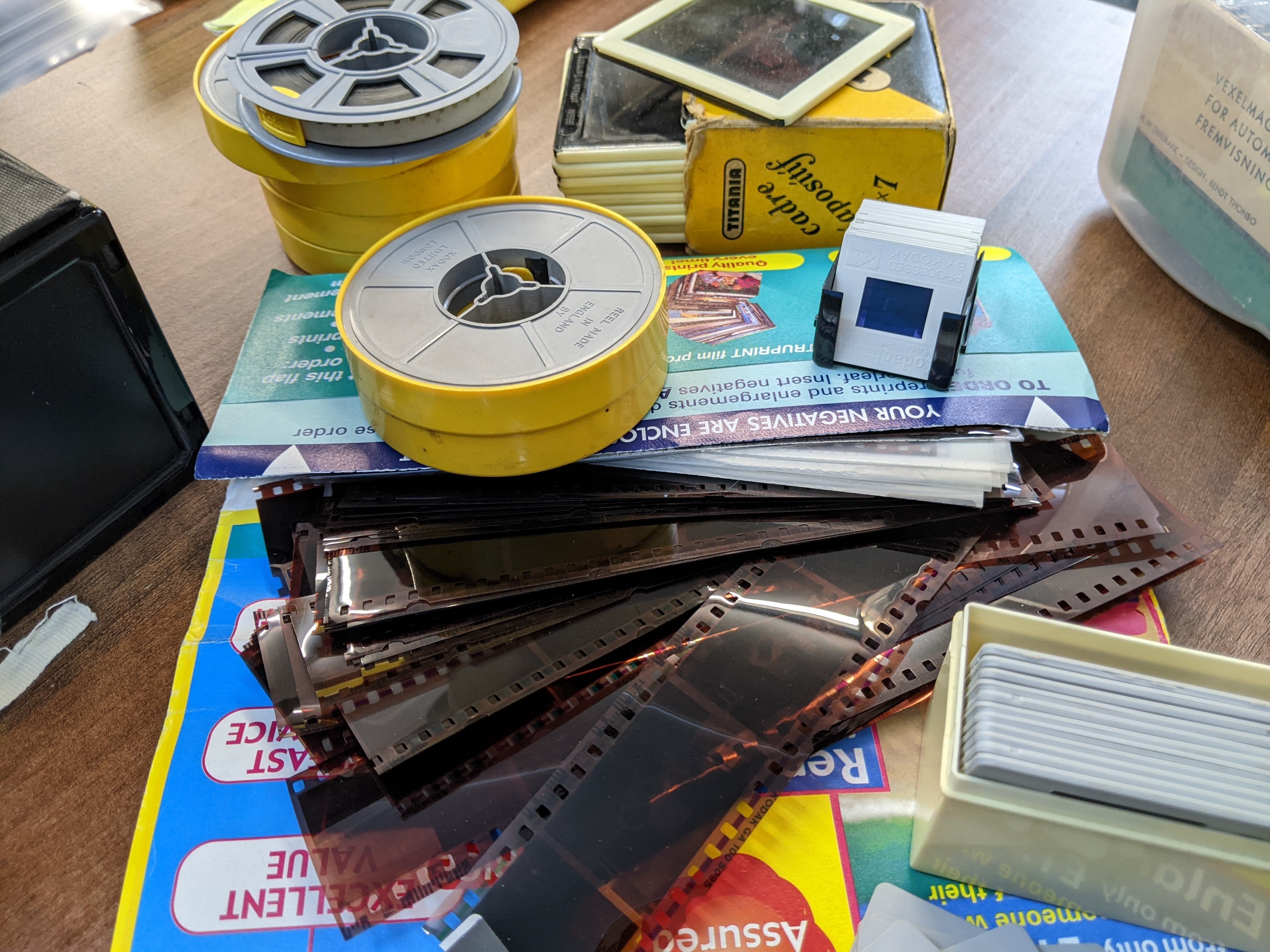
Photographs, slides and negatives

Prints, albums, loose photographs, 35mm slides, negatives, medium-format film and other photographic material. Digitisation makes images easier to view, catalogue and share with relatives.

Explore photographic scanning →
Historic papers and family documents being carefully digitised

Letters, certificates and papers

Personal correspondence, family records, wills, deeds, certificates, postcards, handwritten notes and other loose documents. Searchable PDF may be suitable where text recognition is appropriate.

Explore family document scanning →
Books, diaries and handwritten family records

Diaries, books and scrapbooks

Bound volumes, journals, family histories, recipe books, scrapbooks and albums can contain unique details. Non-destructive scanning options help avoid forcing fragile bindings flat.

Explore non-destructive book scanning →
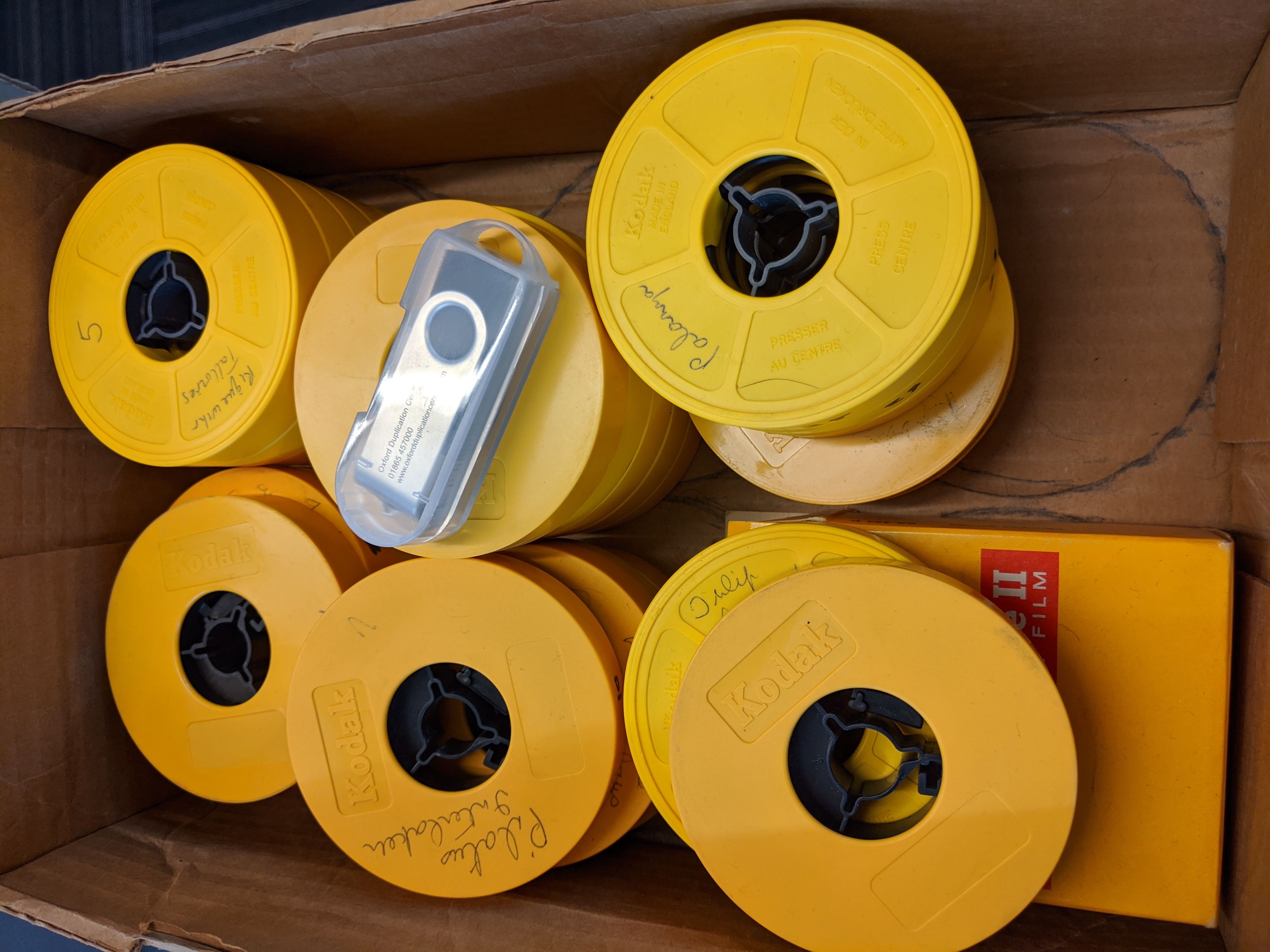
Family cine film reels preserved for future generations

Home movies and cine film

Family archives often extend beyond paper. Digitised cine film and home video can sit alongside documents and photographs as part of a broader family collection.

Explore cine film transfers →
Photographic slides and negatives from family collections

Audio recordings and memories

Voice recordings, interviews, cassette tapes and reel-to-reel recordings can preserve family voices and stories that written records cannot capture.

Explore audio and video digitisation →
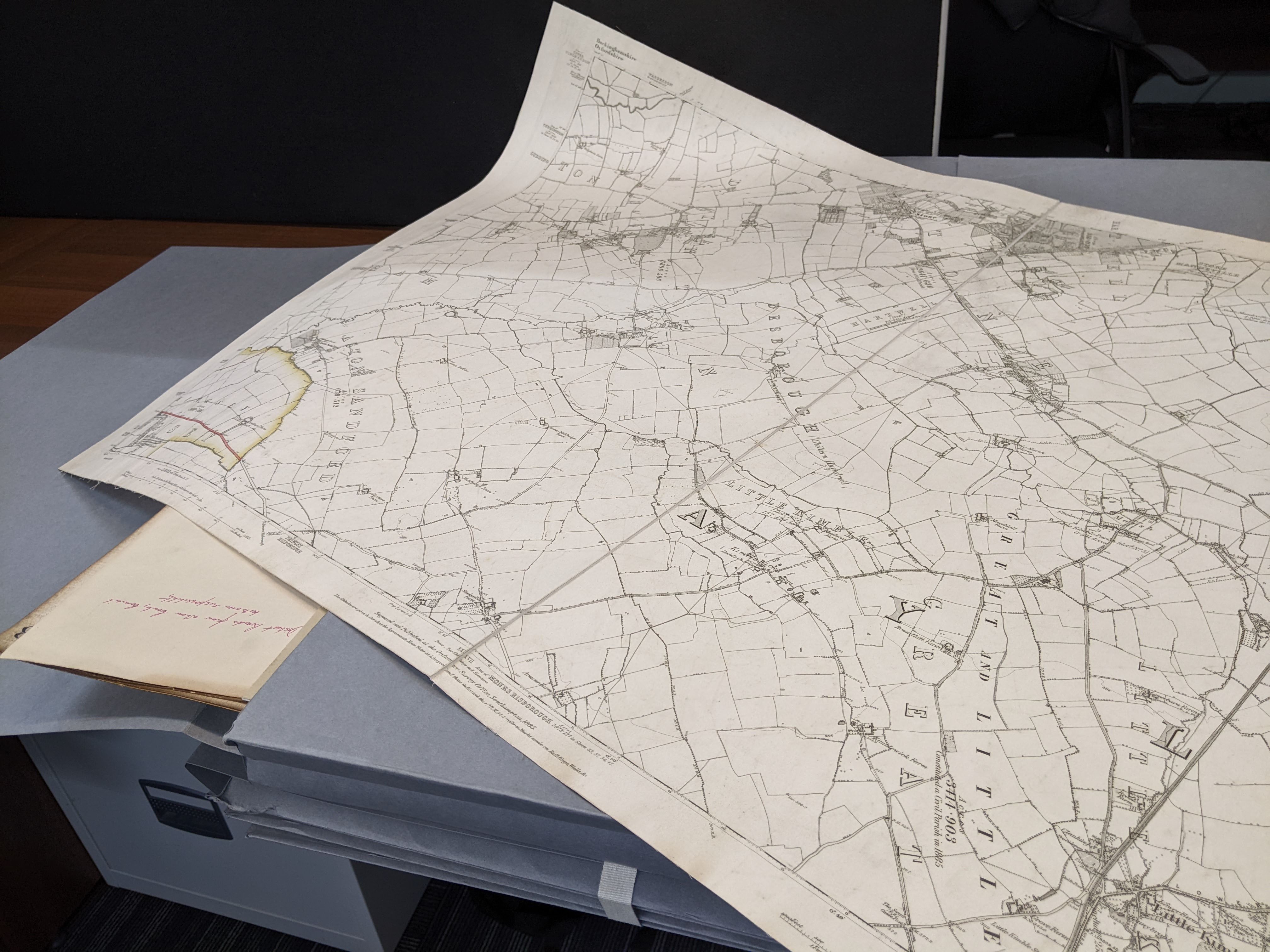
Carefully organised archival documents

Maps, plans and special items

Oversized maps, family trees, artwork, fragile papers and unusual documents may need specialist equipment or handling. Tell us about the size and condition of your items.

Ask our team for advice →

How to start creating your digital family archive

You do not need to organise everything perfectly before asking for help. A simple plan can make your archive more useful in the long term.

1

Gather and identify

Bring together related items and make a note of names, dates, locations and family relationships where known. Keep fragile or delicate items supported.

2

Choose what to digitise

Prioritise unique, frequently handled, fragile or especially meaningful material. Include the context that helps explain why an item matters.

3

Select suitable files

High-quality TIFF files can serve as archival image masters; JPEG files are convenient for everyday viewing, while PDF can be useful for documents and sharing.

4

Organise and back up

Use consistent folder names and descriptive filenames. Keep more than one backup, with at least one copy stored separately from your main computer.

Remember privacy and permissions. Family archives may contain personal or sensitive information about living people. Think carefully about who can access the files and what is appropriate to share online.

Choosing the right digital output

The best output depends on the item, its condition and how you intend to use the file. We can discuss practical options for preservation, reading, printing and sharing.

TIFF archival masters

High-quality TIFF images are often chosen as preservation masters for photographs and scanned documents, including 600dpi uncompressed TIFF where appropriate to the material and project requirements.

PDF and searchable PDF

PDF is convenient for reading and distributing multi-page documents. OCR can make suitable typed or clearly printed material searchable, although handwriting recognition may be limited.

JPEG access copies

JPEG files are practical for sharing, viewing and everyday use. Where useful, you can keep access copies alongside higher-quality master files.

Careful handling for important family material

Every collection is different. Fragile paper, bound volumes, photographs, albums and oversized items may require different approaches. Tell us if something is brittle, torn, tightly bound, curled, unusually large or particularly precious before it is scanned.

Oxford Duplication Centre has supported private and family collections alongside corporate and heritage digitisation since 2007. We can help you plan a practical approach for anything from a small group of documents to a mixed family archive.