Specialist digitisation of historic glass plate negatives, lantern slides and fragile photographic collections, creating high-quality digital files for preservation, research, publication and access.
Specialist Glass Plate ScanningHigh-resolution digital preservation
Preserving Historic Glass Plate Photography
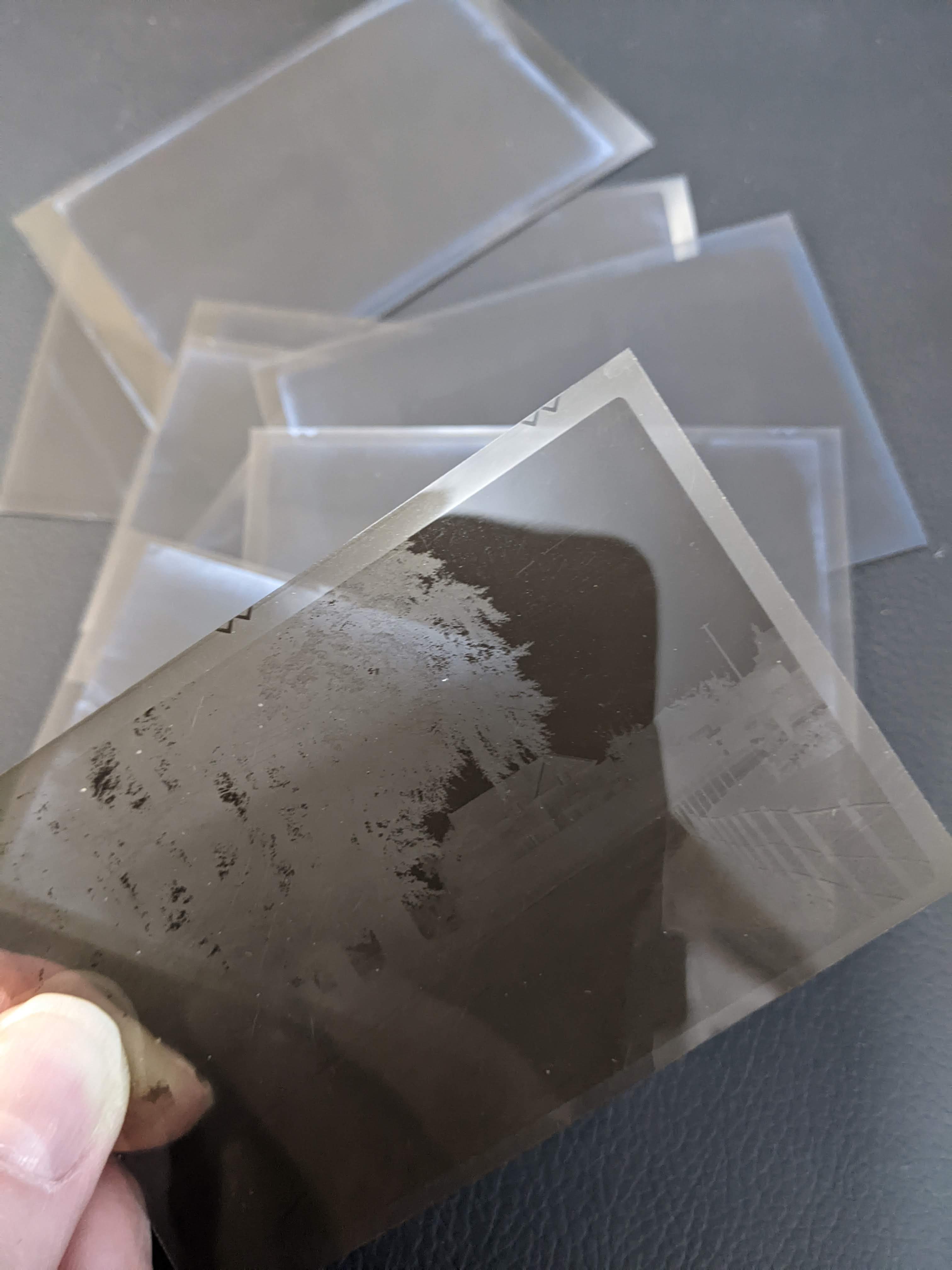
Glass plate negatives are an important part of photographic and social history, preserving detailed images of people, places, buildings, landscapes, events and everyday life. Their physical stability made glass an important photographic support before flexible film became widespread, but the glass and photographic emulsion can still be fragile and require careful handling.
Oxford Duplication Centre provides specialist glass plate scanning in Oxfordshire for families, private collectors, museums, archives, universities, historical organisations and corporate collections. We work with individual plates through to larger collections and create digital masters and access files suited to your project.
01 · HISTORIC PHOTOGRAPHY
Glass Plate Negatives
We digitise historic photographic plates while taking particular care with fragile glass supports and photographic emulsions.
02 · SPECIALIST FORMATS
Lantern Slides & Plates
Our workflows also support lantern slides and other transparency materials where accurate digital capture is important for preservation and access.
03 · DIGITAL PRESERVATION
Archive-Ready Files
Digital outputs can be prepared as TIFF, RAW, JPEG, JPEG2000, BMP or PDF, in colour or greyscale, according to the project requirements.
Why Glass Plate Scanning Requires Specialist Care
Historic plates are not simply ordinary photographic film. The glass support, emulsion and condition of the original all need to be considered when preparing material for digitisation.
Careful Handling & Preparation
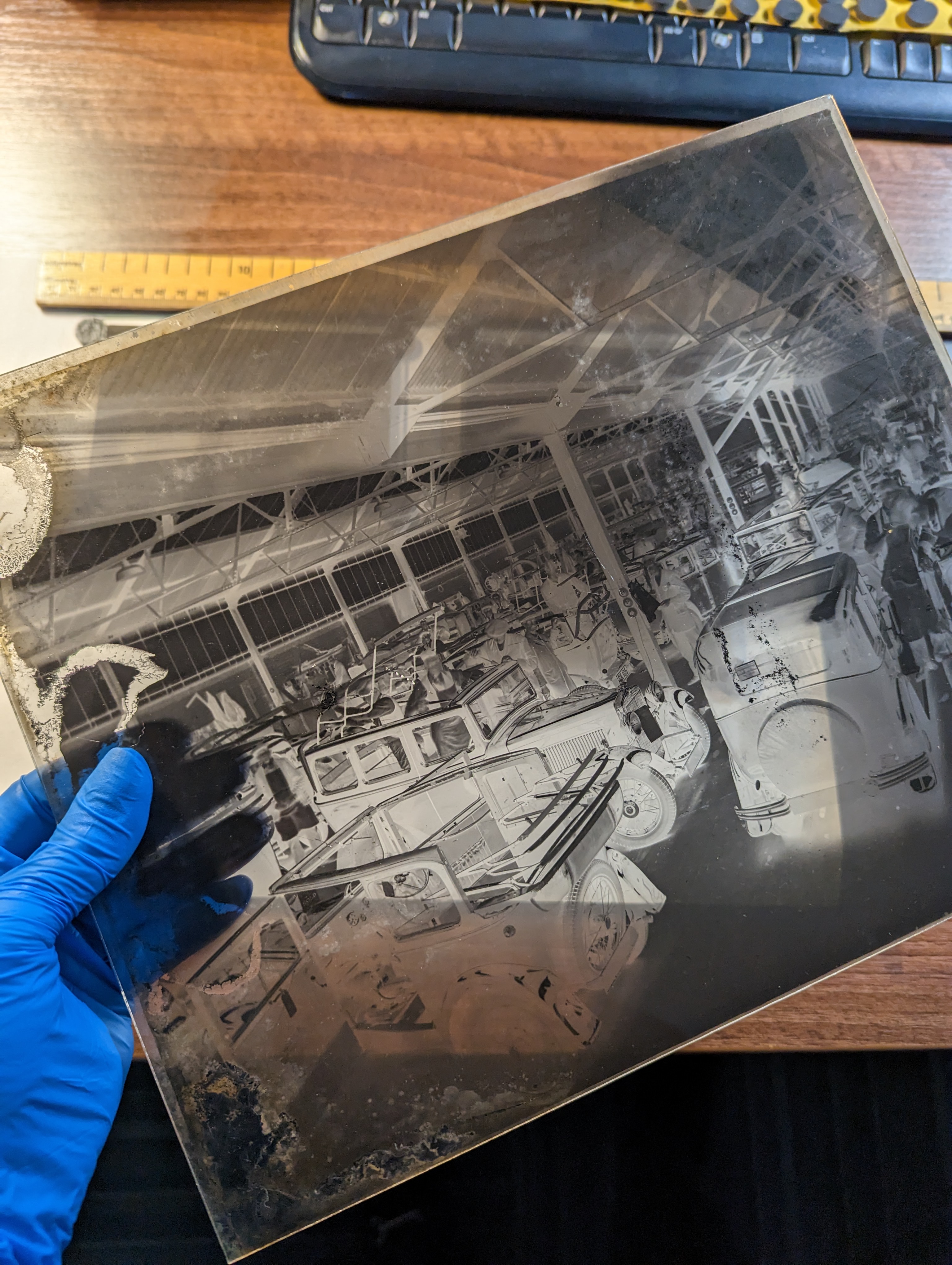
Glass plate negatives can have delicate photographic emulsions and may show age-related deterioration. Our technicians use careful handling procedures and can gently clean plates before scanning where appropriate, helping to prepare the original for digital capture.
High-Quality Optical Capture
Our scanning equipment provides high optical density performance, helping reproduce detail in the darker areas of negatives and the highlights of positive materials. This is particularly valuable when the original contains subtle tonal information.
Photographic Film & Glass Plate Digitisation Calculator | Oxford Duplication Centre
Photographic Film & Glass Plate Digitisation Calculator
Identify your photographic film or plates, view our digitisation prices and calculate an estimate. Quantity discounts are automatically applied.
1. Standard Photographic Film
Common family photographic film formats. Select the image that most closely resembles the film you have.
2. APS & 110 Photographic Film
Smaller cartridge-based photographic formats. APS film is normally supplied in cartridges, while 110 film is a compact cartridge format.
3. Medium Format Film – Sizes & Film Bases
Medium format film is available in several image sizes. The actual frame size depends on the camera and format. Select the closest format below, then choose the film base in the calculator.
Important – Nitrate and Acetate Film Assessment:
Medium format nitrate and acetate film will require an assessment before digitisation to establish its condition and level of deterioration. We will check for signs such as shrinkage, warping, brittleness, curling, vinegar syndrome or other chemical deterioration. The assessment helps determine safe handling, the appropriate digitisation method and whether any additional conservation measures are needed. The final quotation may depend on the condition of the material.
4. Photographic Glass Plates & Lantern Slides
Historic glass plate negatives and positive lantern slides. These materials may require additional handling and assessment.
5. Sheet Film, Transparencies & X-Ray Film
Large-format sheet film and specialist photographic transparencies, including historic and technical collections.
1. Standard Photographic Film – Pricing Table
110 film: Due to its very fine grain, 110 slides and negatives must first be digitised to Publication TIFF before conversion to JPEG. The Publication TIFF rate therefore applies.
2. APS & 110 Photographic Film – Pricing
3. Medium Format Film – Pricing
All medium format roll film and cut film formats use the same quantity-based pricing structure as 4 x 5 sheet film. Prices shown are per image / original and are for archival TIFF digitisation. Nitrate and acetate film require a condition assessment before a final quotation can be confirmed.
4. Lantern Slides & Photographic Glass Plates
5. Sheet Film, Transparencies & X-Ray Film
Minimum order value: £25.00 excluding VAT (£30.00 including VAT).
Historic glass plates, nitrate film, deteriorating acetate film and fragile emulsions may require additional handling and assessment. If you are unsure about your film type, please contact our team.
Our glass plate service is designed for historic and specialist photographic collections. We can support a range of material and collection types, including:
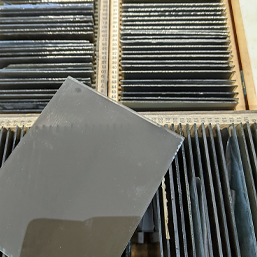
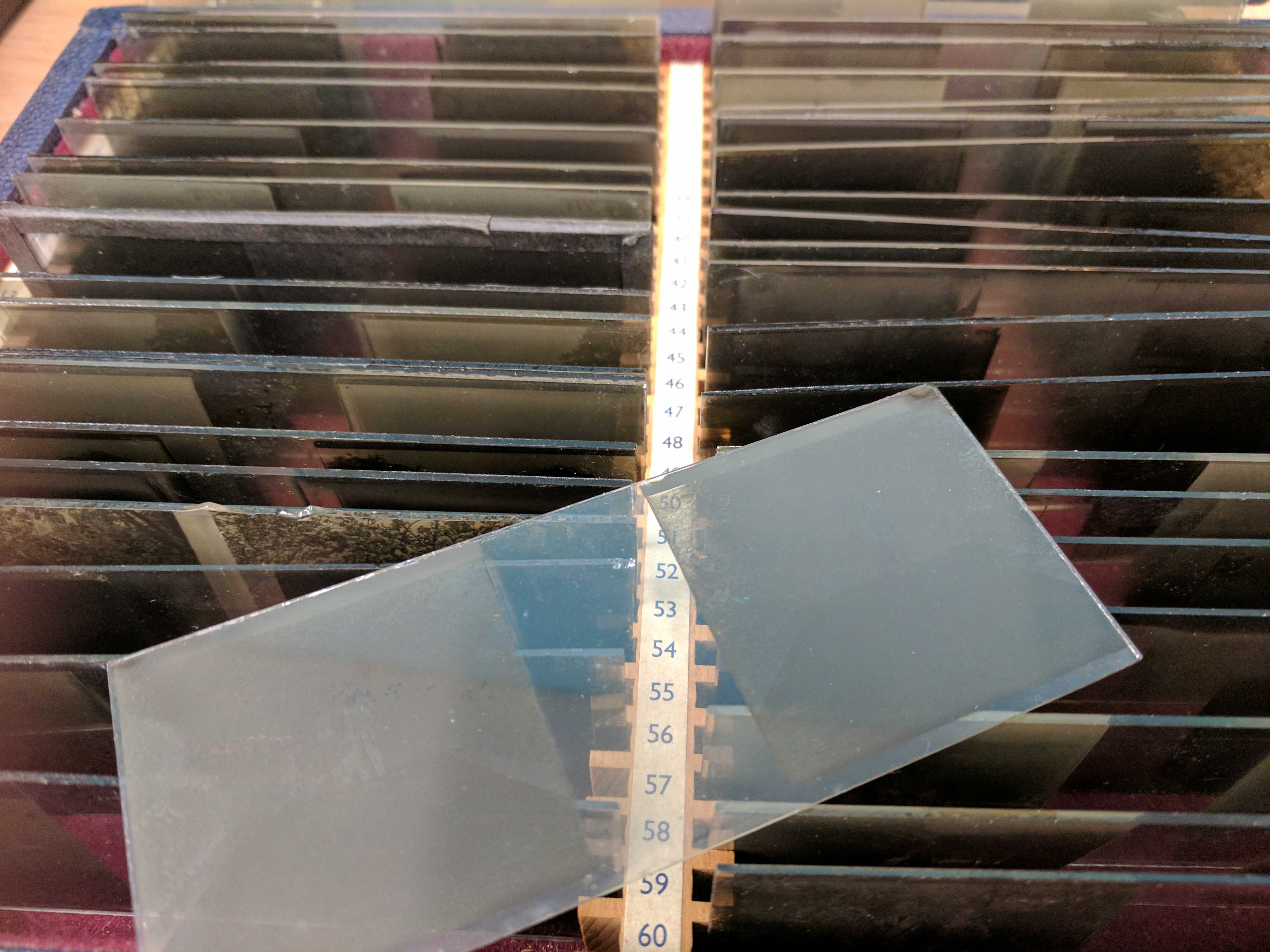
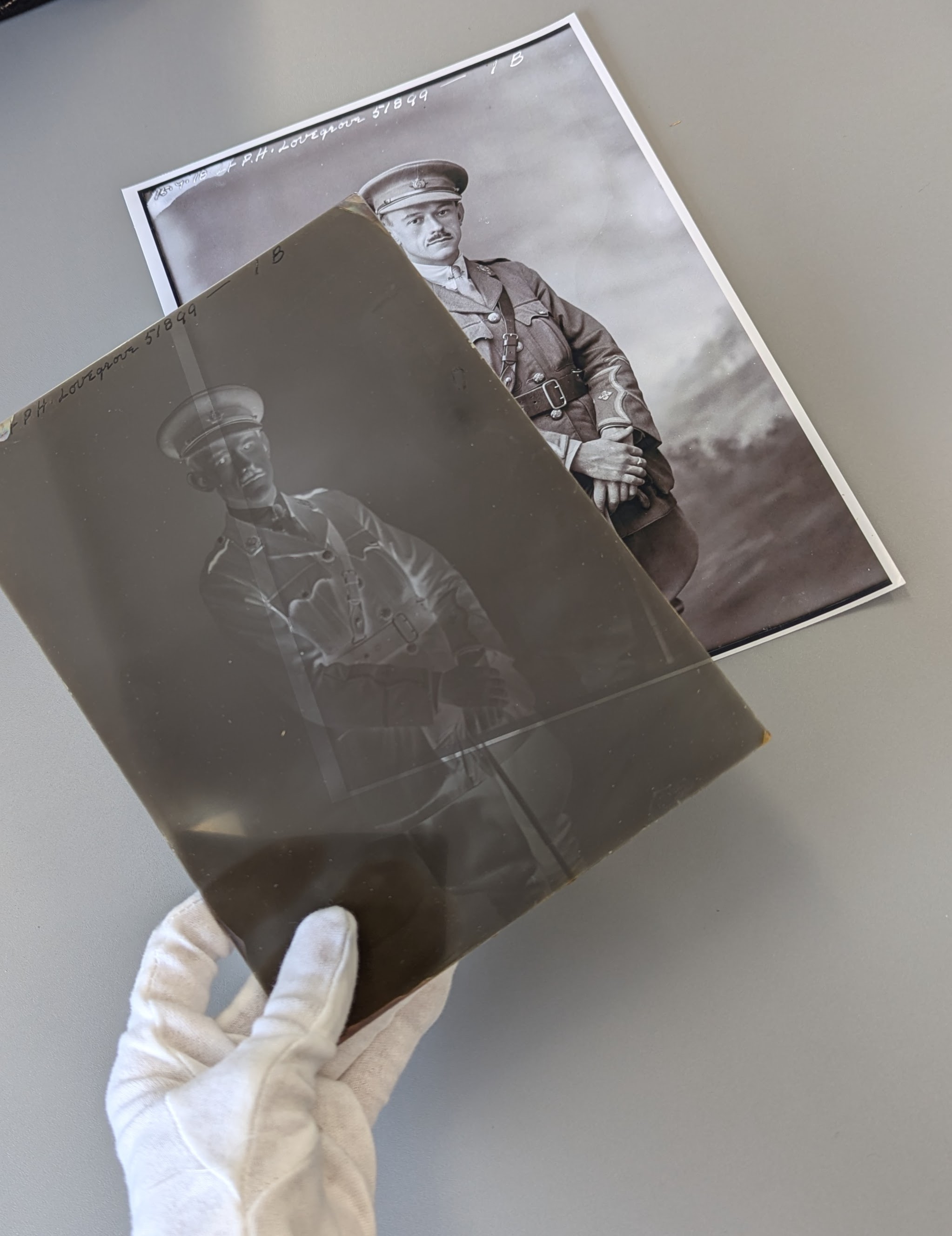
Historic glass plate negatives
Wet collodion and gelatin dry plate material
Lantern slides and glass transparencies
Historic family and estate photographic collections
Museum, archive and university collections
Private research and family-history collections
Individual plates through to larger collections
Wet & Dry Plate Photography
Glass plate photography includes wet collodion plates and later gelatin dry plates. These historic processes are valuable records of photographic history and can contain exceptionally detailed images.
Digital Outputs
We can create digital files suited to preservation, research, publication and everyday access. Output formats can include:
High-resolution TIFF
RAW image files
JPEG and JPEG2000
Adobe PDF
BMP
Full colour or greyscale
Beyond the Scan
Indexing, metadata tagging, OCR and image processing can also be incorporated into digitisation projects where required.
A Professional Workflow for Heritage Collections
We can support the project from initial assessment through scanning and digital delivery, with the workflow tailored to the condition, size and requirements of the collection.
1. Collection Assessment
We assess the material supplied, discuss the required outputs and identify any special handling or project considerations before processing begins.
2. Scanning & Digital Processing
Original material is carefully prepared and scanned using professional equipment, with digital processing applied where appropriate to produce clear, useful images.

.jpg)
.jpg)