
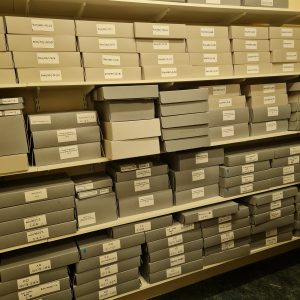
Documents, Manuscripts & Books
Digitisation of fragile papers, registers, manuscripts, books, diaries, newspapers, deeds, parchment, maps and archival documents.
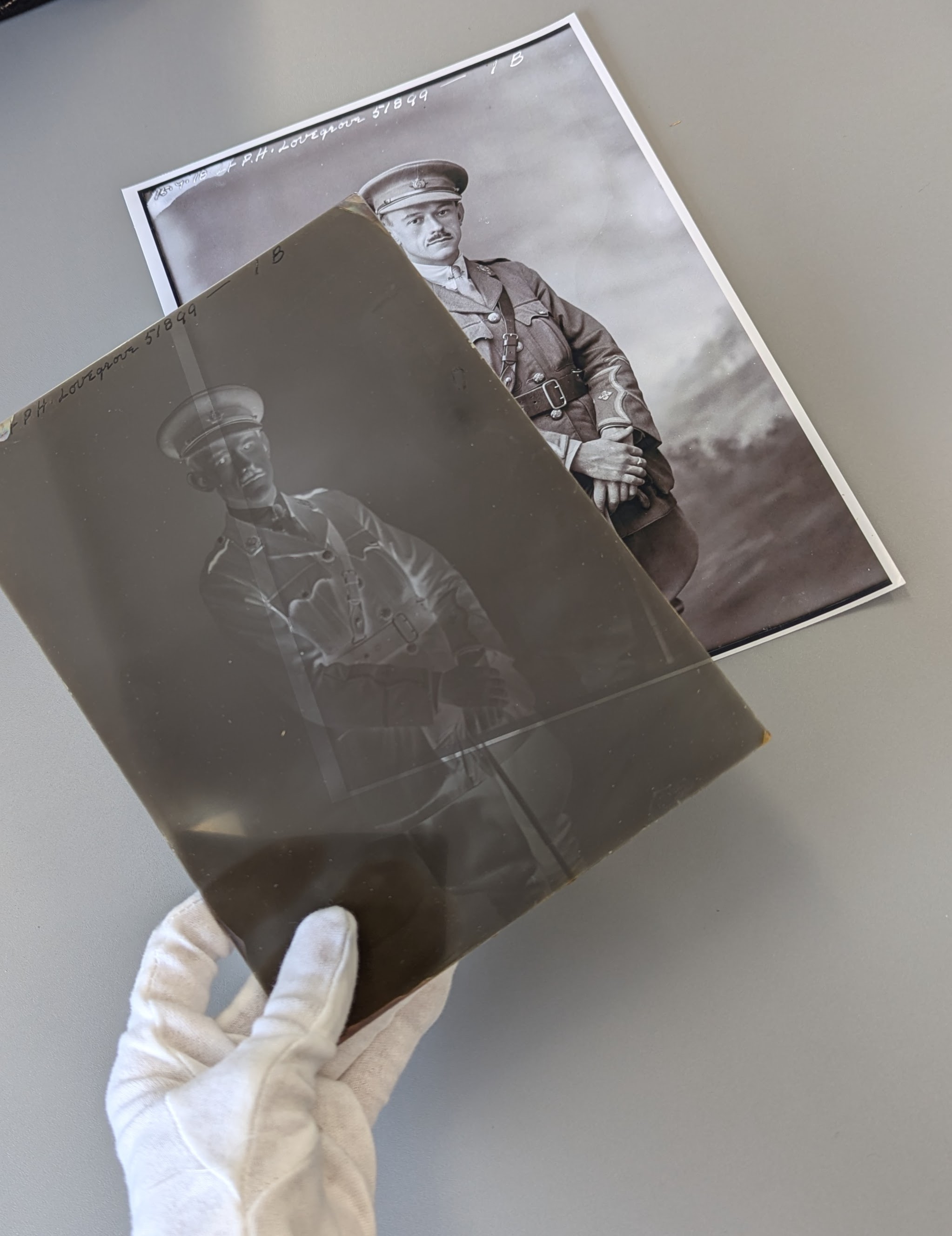
Specialist digitisation of documents, manuscripts, books, photographs, film, maps, textiles and audio-visual heritage collections, with preservation-focused capture and carefully managed digital outputs.
Oxford Duplication Centre provides a comprehensive digitisation service for heritage organisations, archives, museums, libraries, universities, corporate collections and private clients. Our existing service covers fragile documents, manuscripts, books, diaries, newspapers, deeds, parchment, maps, photographs, photographic film, microfilm, glass plates, audio, video and rare media.
The objective is not simply to make a copy: it is to create a controlled digital surrogate that can support preservation, cataloguing, research, online access, publication and future re-use while minimising unnecessary handling of the original collection.
Digitisation of fragile papers, registers, manuscripts, books, diaries, newspapers, deeds, parchment, maps and archival documents.
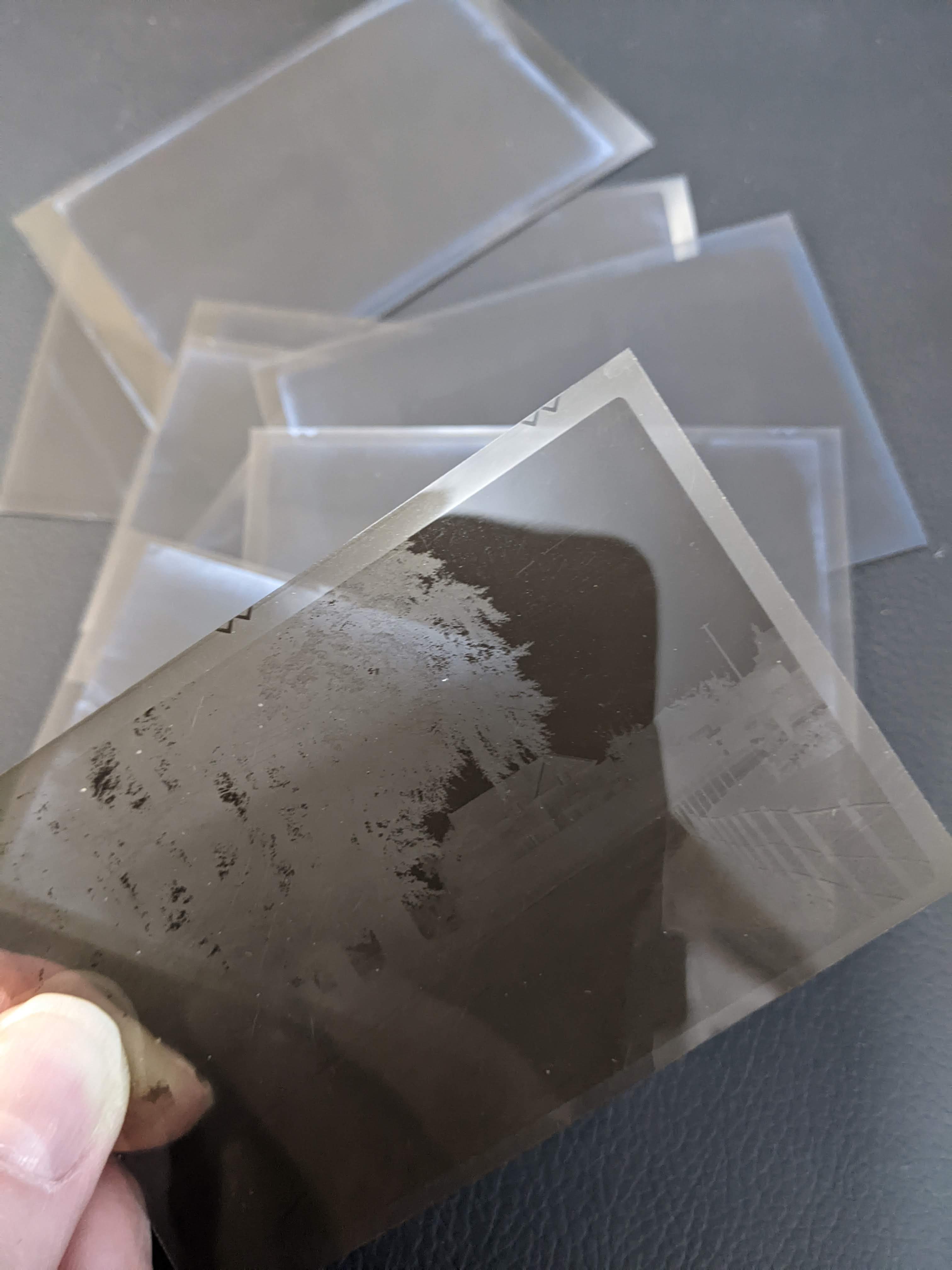
High-quality capture of photographs, slides, negatives, glass plates, microfilm and specialist photographic materials.

Structured digital delivery for archive collections, including preservation masters, access copies, metadata and organised file structures.
The National Archives publishes guidance on digitisation covering file formats, resolution, colour, quality assurance and metadata. Our specialist workflows are designed around these principles and can be specified to suit the collection, preservation objectives and required outputs.
The National Archives publishes guidance covering image formats, resolution, colour, quality control and metadata. Our heritage workflows are designed around these principles, including suitable high-resolution capture, lossless-capable preservation masters, controlled colour, immediate QA and documented scanning information.
For image-based collections, TIFF is a widely supported format identified by The National Archives as having lossless capabilities. Where appropriate, we can create high-resolution TIFF/RAW preservation masters and separate JPEG/PDF access files. For documents and records, PDF/A and searchable PDF can also be specified where they form part of the agreed delivery package.
Resolution is specified according to the original material and intended use. The National Archives guidance gives 300 PPI as a default for ordinary documents, 600 PPI for photographs and 4000 PPI for photographic transparencies, while microform is specified differently. Our project specifications can exceed these values where the source material and preservation objectives justify it.
A preservation project should document what was captured, how it was captured and how the files are controlled. The National Archives highlights technical and descriptive metadata, scanning information and fixity checks such as SHA-256 checksums. Our workflows can incorporate structured naming, folder hierarchies, capture records, visual QA and checksum generation.
Projects can begin with a collection assessment and specification, followed by preparation, capture, image processing, QA, metadata and delivery. Digital outputs can be supplied by secure download, hard drive or other agreed delivery method, with preservation and access files separated where appropriate.
Every archive project is treated as a controlled digitisation workflow rather than a simple file conversion. The capture specification, file format, naming, metadata, QA and delivery structure can all be agreed before production begins.
Tell us what material you have, its approximate quantity and how you need the digital archive supplied. We can help define a preservation-focused capture specification and provide a quotation.