
International Archive Projects
Supporting archive owners, press offices, government organisations, museums, heritage bodies and specialist collections across the UK, Ireland, USA and Europe.
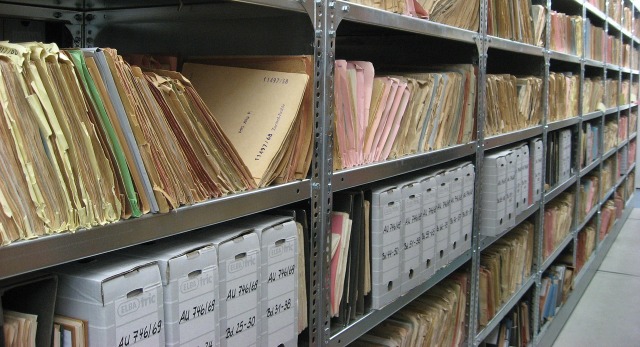
Specialist digitisation for historic and cultural archives, supporting collections across the UK, Ireland, USA and Europe.
Audio · Video · Motion Film · Photographic Film · Documents · Photograph Albums · Letters
Discuss Your ArchiveOxford Duplication Centre provides specialist digitisation services for historical, corporate, press, government and heritage collections. Our work supports archives and organisations across the UK, Ireland, the USA and Europe, with workflows designed around preservation, authenticity, quality assurance and long-term access.
We work with World History Archives on extensive historical collections, including press and photographic archives. Our projects can involve very large volumes of original material and may be undertaken under confidentiality or NDA arrangements where required. Each collection is assessed individually so that the capture method, resolution, file format, metadata and quality-control process are appropriate to the material.
Supporting archive owners, press offices, government organisations, museums, heritage bodies and specialist collections across the UK, Ireland, USA and Europe.
Creating high-quality preservation masters alongside practical access files, helping collections remain useful for research, publication, journalism and future digital preservation.
Projects can be managed with controlled handling, agreed workflows and confidentiality arrangements, including work undertaken under NDA where required.
Our archive workflows are informed by the digitisation guidance published by The National Archives. This includes appropriate capture resolution, lossless or preservation-suitable file formats, consistent file naming, metadata, image quality checks, OCR verification where used, and documented quality assurance. The exact specification is agreed for each collection rather than applying a single setting to every type of material.
Different media require different capture methods. We establish a technical specification before production and can create preservation masters and access derivatives from the same project.
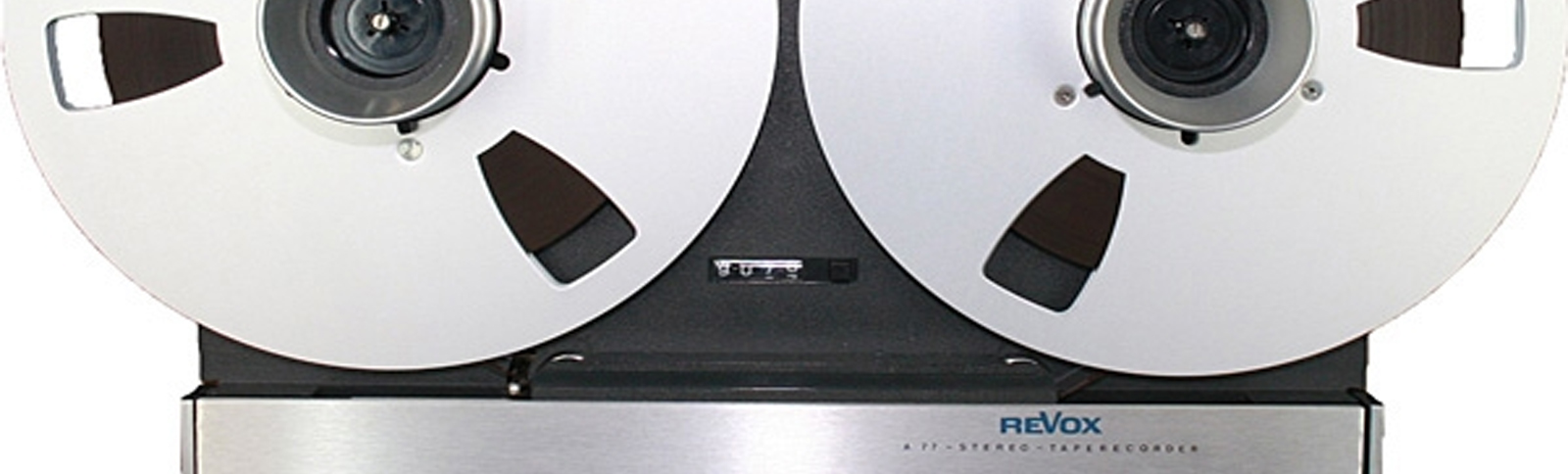
Analogue and legacy audio is captured using professional playback equipment with preservation-quality digital masters. Workflows can include reel-to-reel, broadcast tape, cassette, DAT, ADAT and other specialist formats, with careful attention to signal quality, calibration, channel configuration and metadata.

Professional and domestic video collections are transferred from the original format using appropriate playback and capture equipment. We retain the characteristics of the source and can create high-quality preservation masters alongside access versions for viewing and distribution.

Cine and motion-film collections are assessed by gauge, condition, perforation and format before capture. Digitisation is designed to preserve as much information from the original film as practical, with careful handling of historic and fragile reels.
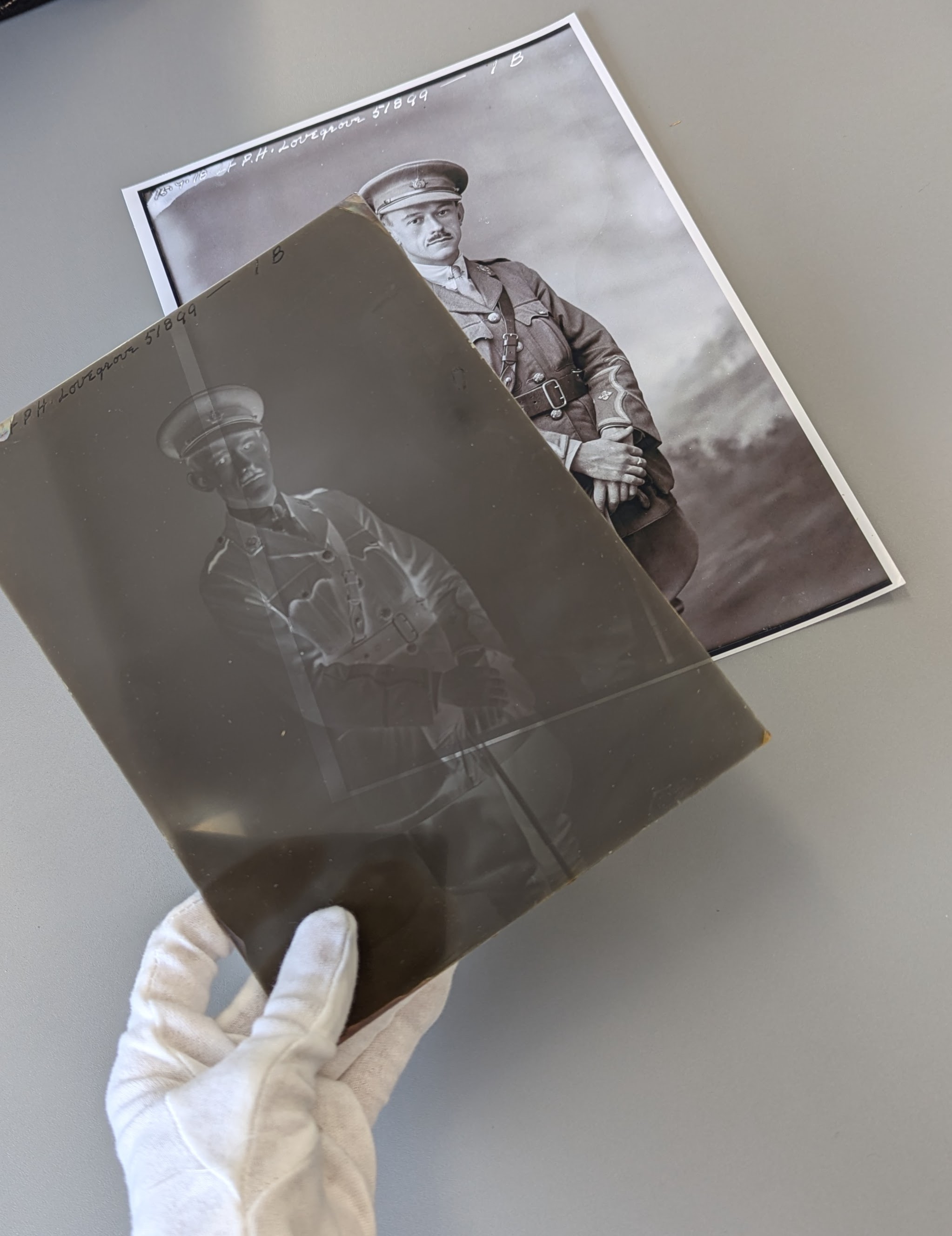
Negatives, transparencies, glass plates and photographic film are captured at resolutions appropriate to the original material. Colour, tonal range, cropping and orientation are checked as part of quality assurance.
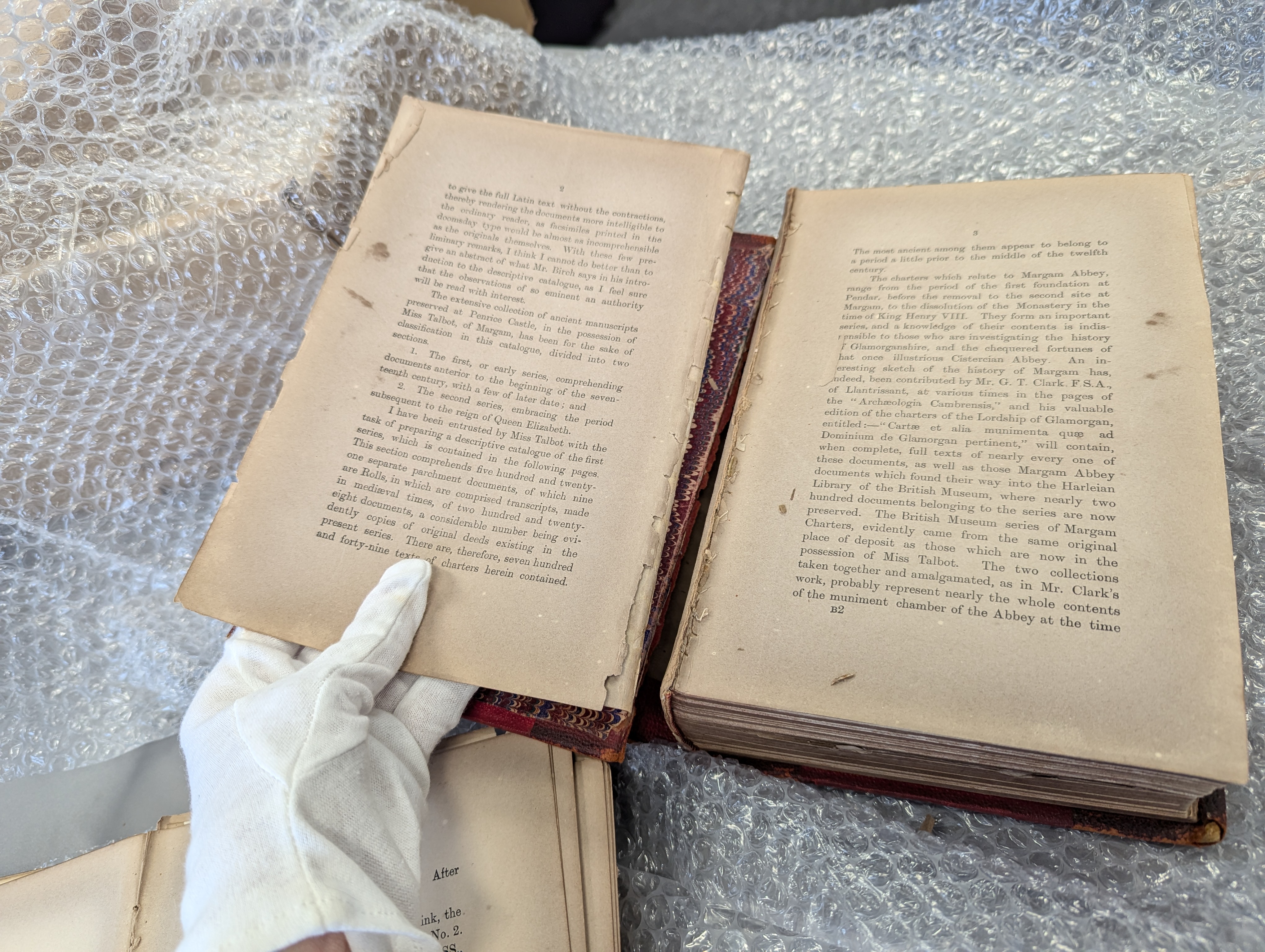
Documents, manuscripts, deeds, registers, letters, diaries, books, maps and other paper records are captured so that the complete record is visible, legible and correctly sequenced. The National Archives recommends a minimum of 300 PPI for ordinary documents, with higher resolution where the material requires it.
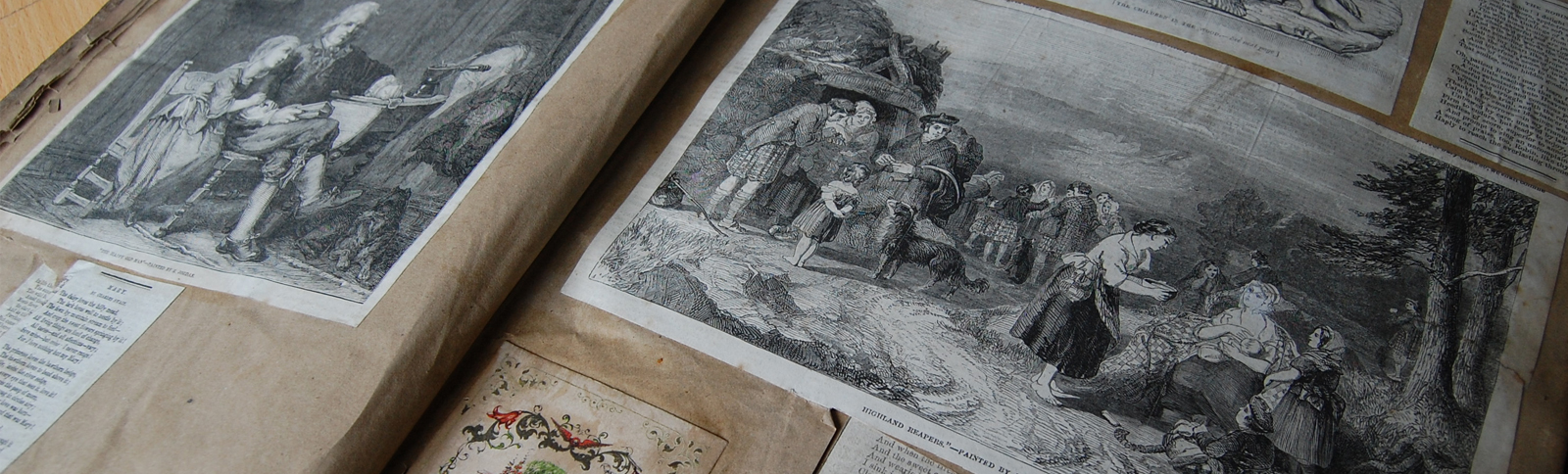
Albums and scrapbooks are photographed or scanned with careful attention to bindings, page sequence, mounts and original context. Individual photographs can be captured separately where required, while the album structure can also be retained as a digital sequence.

Historic letters, correspondence and personal papers can be digitised individually or as organised collections. Fronts, backs, envelopes, inserts and associated material can be captured according to the agreed collection specification.
.jpg)
File naming, folder structures, technical information, descriptive metadata and quality-control checks can be incorporated into the workflow. SHA-256 checksums can also be generated to help verify file integrity and support long-term digital preservation.
Review the collection, media, condition, dimensions, volumes and project objectives.
Agree resolution, formats, naming, metadata, derivatives and quality requirements.
Capture using appropriate professional equipment and careful handling procedures.
Carry out quality assurance, organise the files and deliver preservation and access content.