
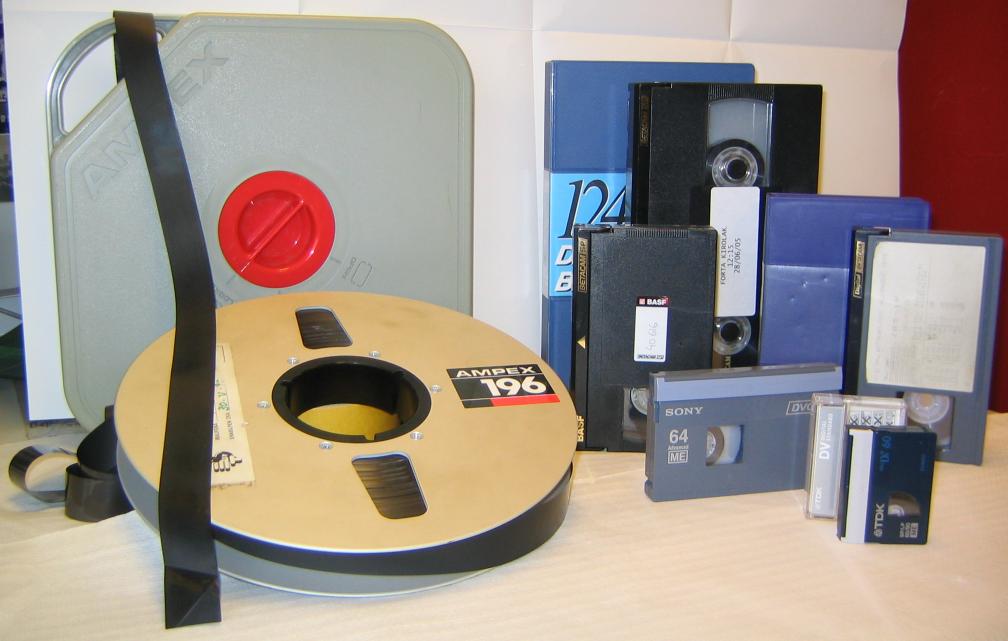
Specialist Format Identification
We identify the physical tape format, recording type, track configuration, speed, signal standard and other characteristics before playback begins.
Specialist preservation of broadcast, professional and archive audio and video recordings using carefully maintained legacy playback equipment, controlled signal capture and archive-aligned digital preservation workflows.
Broadcast and professional recordings often contain material that cannot simply be transferred using modern consumer equipment. Many formats require specialist legacy machines, appropriate playback electronics and experienced technical handling to recover the original recorded signal as accurately as possible.
Oxford Duplication Centre provides specialist digitisation for broadcasters, production companies, museums, archives, universities, businesses, researchers and private collections. Each project is assessed according to the format, condition, recording standard and intended use of the material.
Professional tapes can be mechanically fragile, technically complex and dependent on playback equipment that is no longer manufactured. A successful preservation transfer therefore begins with the original physical recording rather than simply selecting a modern consumer conversion machine.
We identify the physical tape format, recording type, track configuration, speed, signal standard and other characteristics before playback begins.
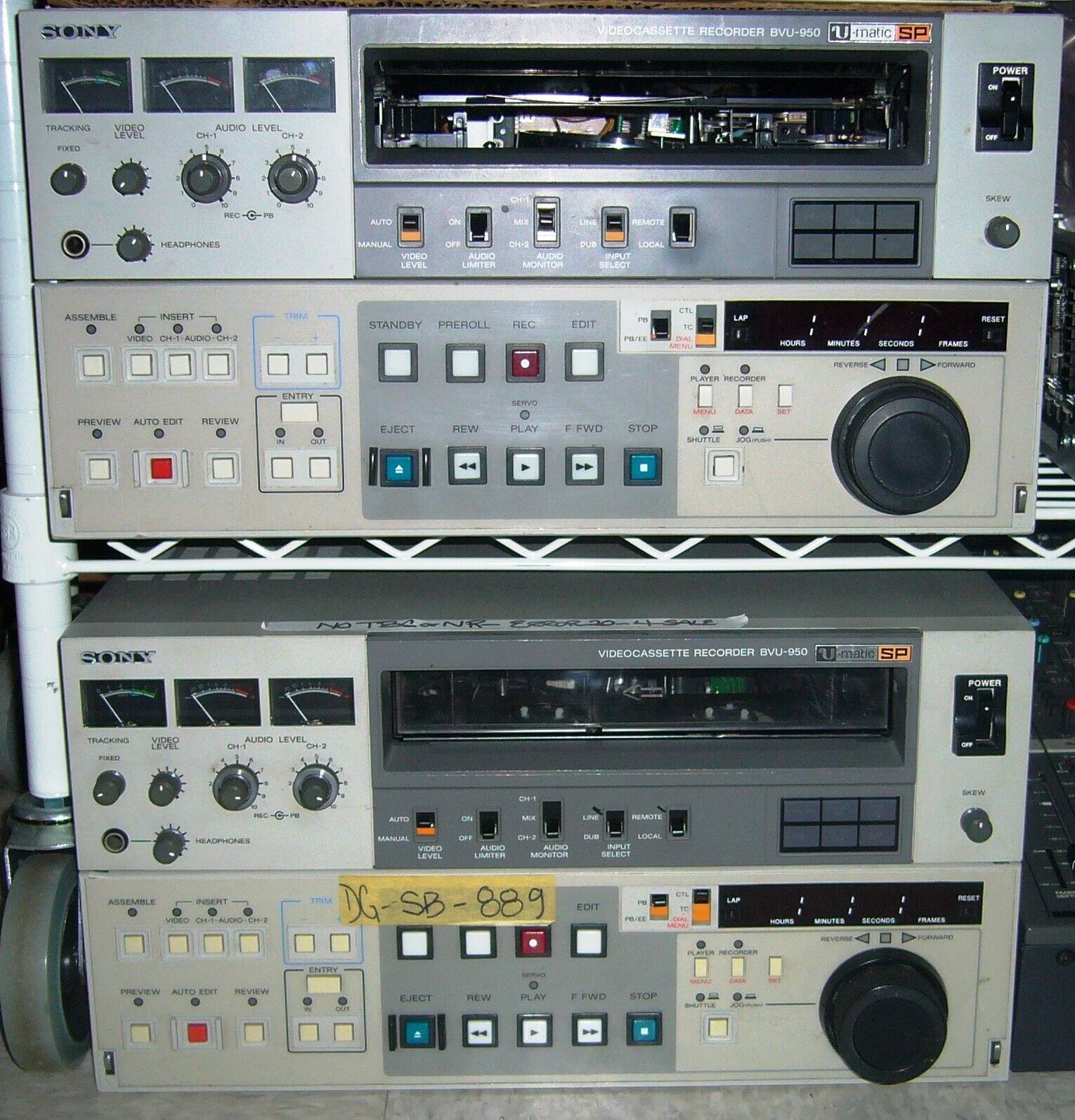
Historic professional recordings may require dedicated broadcast or studio machines capable of reproducing the original recording correctly.
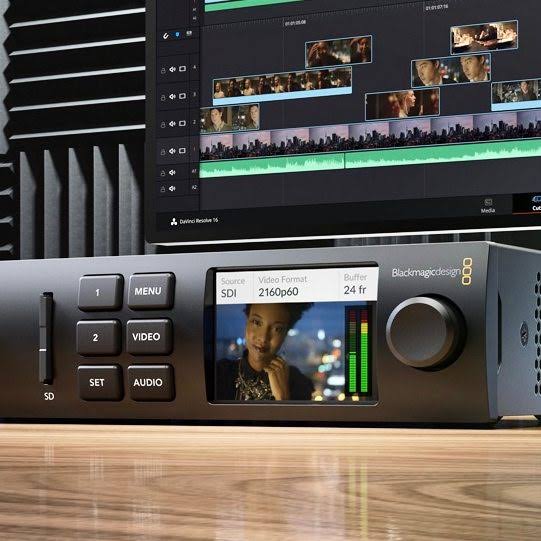
The recovered signal is captured into high-quality digital files rather than relying on heavily compressed consumer conversion workflows.
The playback machine is an important part of the preservation process. Different generations of recording equipment can produce different results from the same tape, particularly where alignment, tape speed, equalisation, track configuration or signal standards are involved.
Depending on the collection, professional playback equipment may include broadcast and studio machines from manufacturers such as Sony, Tascam, Revox and other specialist systems appropriate to the original format.
We do not assume that every tape can be treated in the same way. The machine, heads, transport and signal path are selected according to the recording being recovered.
We use a structured workflow so that the original recording is assessed before production and the resulting digital files can be checked, documented and managed as preservation material.
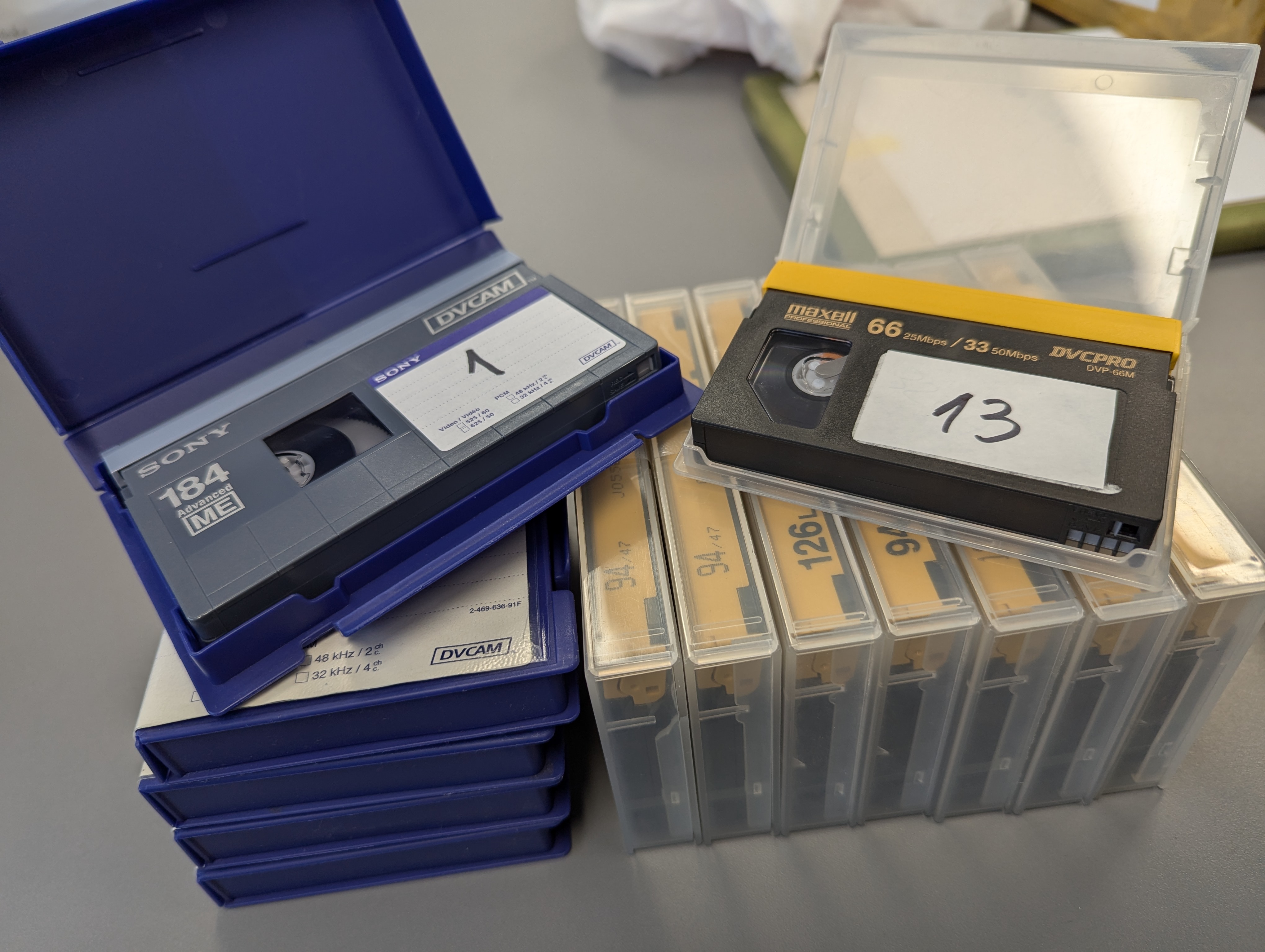
Identify the format, physical condition, recording characteristics and any handling or playback risks.
.jpg)
Prepare the tape and playback system. Where necessary, specialist handling or treatment is considered before transfer.
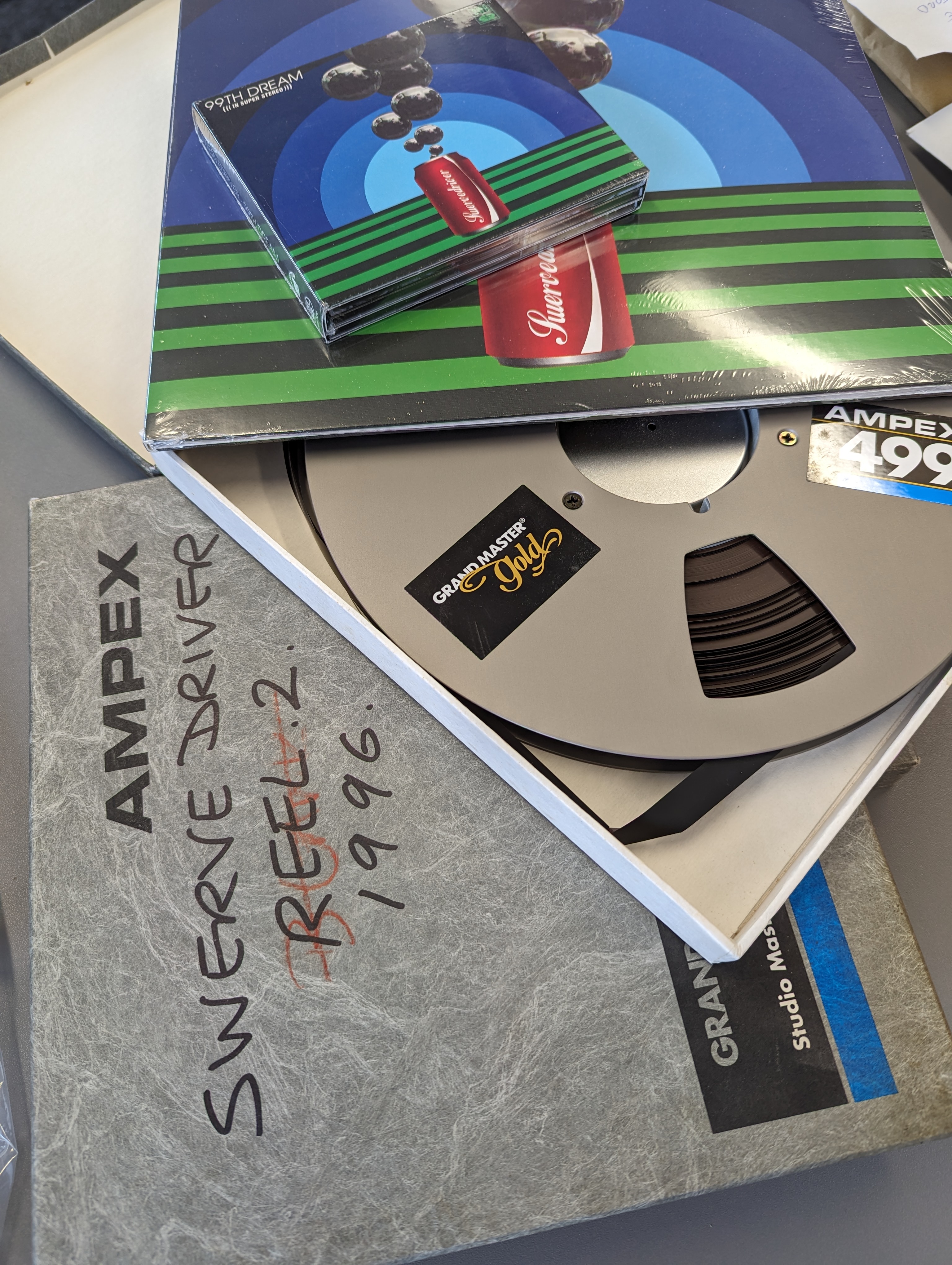
Reproduce the original signal using suitable professional playback equipment and capture it into an appropriate high-quality digital format.
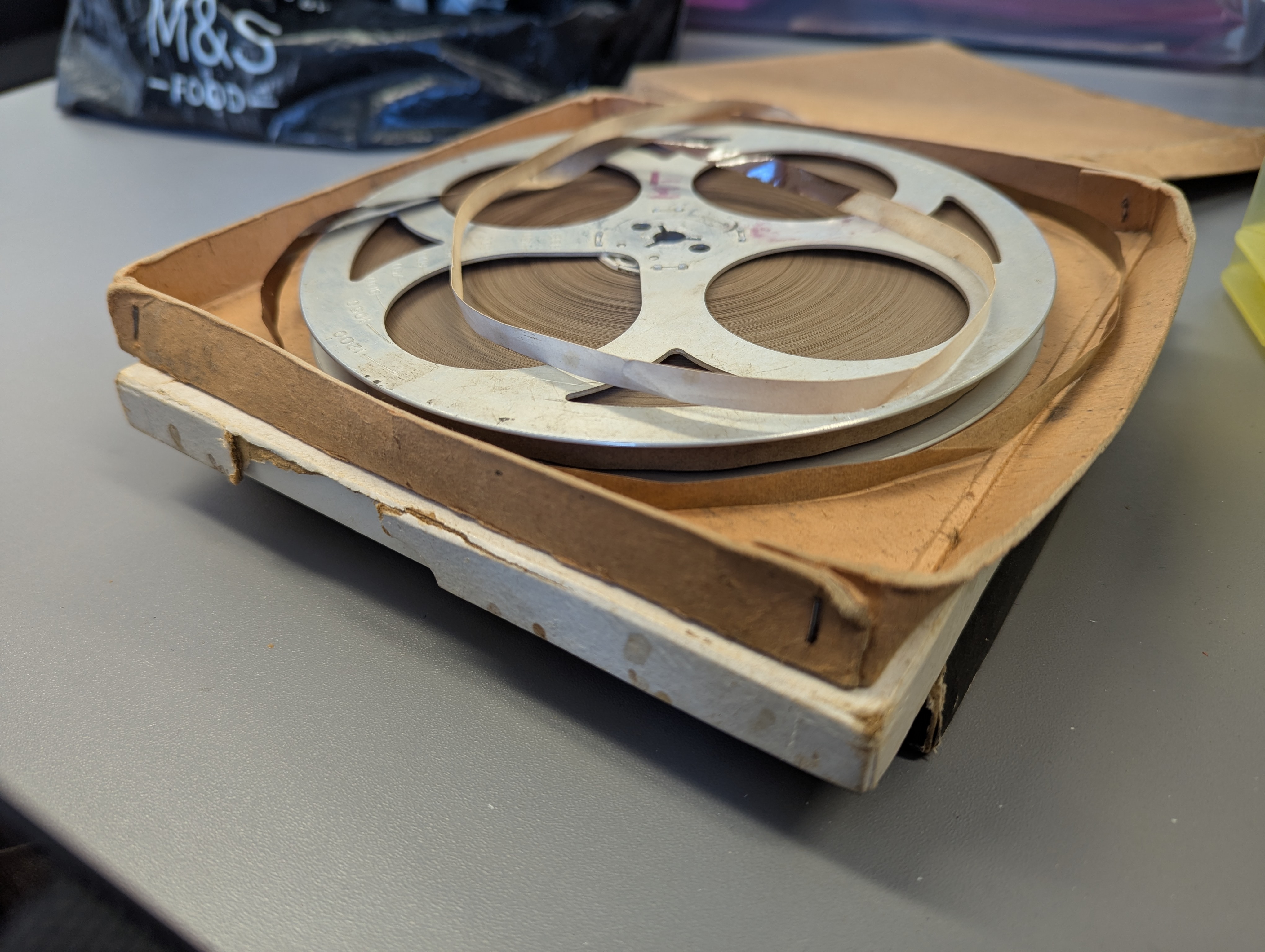
Check the resulting files, playback quality, duration, file integrity, naming and associated project information.
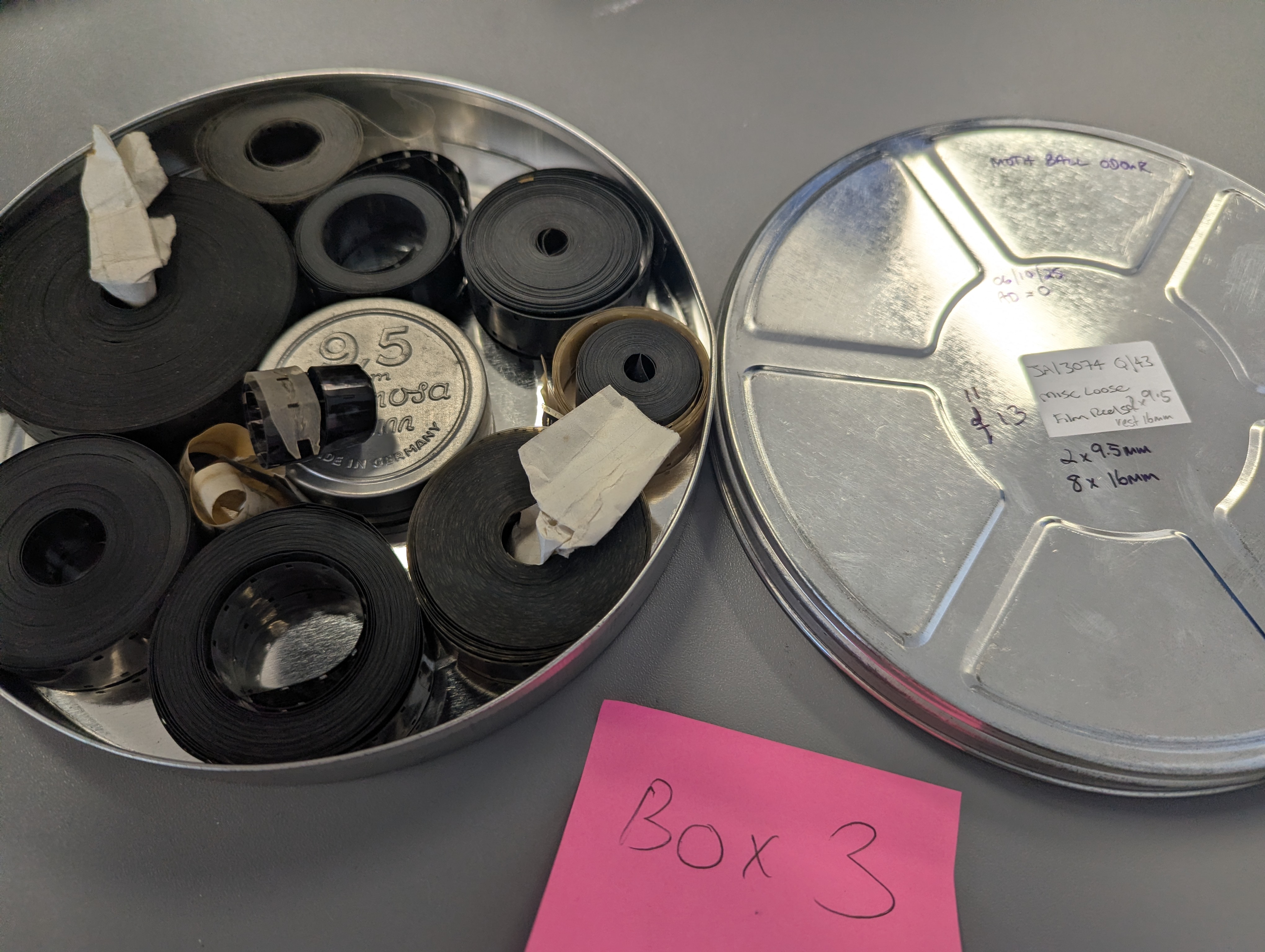
Supply preservation masters and appropriate access copies, together with documentation and integrity information where required.
Broadcast and professional collections can contain a mixture of analogue and digital formats. Correct identification is essential before any preservation transfer is undertaken.
| Media | Examples | Preservation Considerations |
|---|---|---|
| Professional Audio Tape | ¼-inch, ½-inch and other studio formats; 2-track, 4-track, 8-track and multitrack recordings | Track configuration, tape speed, equalisation, machine alignment and signal quality. |
| Broadcast Audio | DAT, ADAT and other professional digital audio media | Correct legacy hardware, digital signal recovery, file validation and preservation output. |
| Video Tape | Broadcast and professional analogue and digital video formats | Correct playback machine, signal standard, time-base stability and capture chain. |
| Archive Collections | Broadcaster, production, museum, university and institutional holdings | Consistent naming, metadata, quality control, fixity and managed storage. |
Preservation projects often require more than one digital output. A high-quality preservation master can be retained as the principal archival representation of the recording, while smaller access derivatives can be created for everyday viewing, listening, editing or online delivery.
```html.jpeg)
Professional audio can be captured as uncompressed PCM audio in appropriate WAV or Broadcast Wave Format (BWF) files.
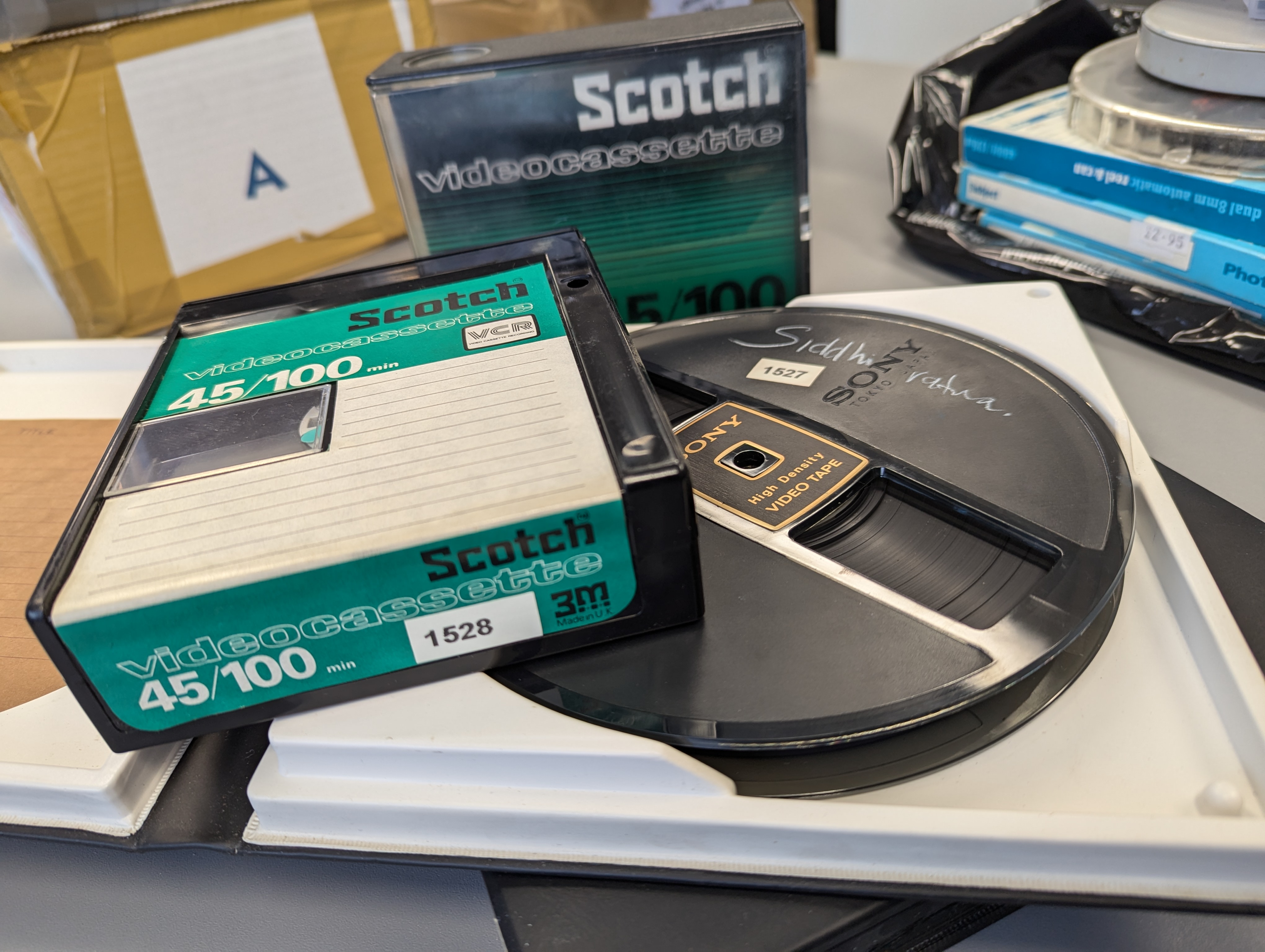
Video preservation outputs are selected according to the source format, collection requirements and intended preservation environment.
Our preservation workflow is informed by established digital preservation principles used by major archival institutions, including guidance published by The National Archives. There is not one single digital file specification that applies to every historical recording or every archive. The correct approach depends upon the source material, collection requirements, preservation strategy and intended access.
For important collections, we recommend agreeing the preservation specification before production begins. This can include the master file format, technical metadata, naming convention, quality-control procedure, checksum/fixity requirements, access derivatives and storage arrangements.
Digital files should be clearly identified and documented, including their format and technical characteristics.
Technical and descriptive information can be retained with the collection so that files remain understandable and manageable over time.
Checksums can be generated to provide a means of checking whether preserved digital files have changed or become corrupted.
Sample transfers, production checks and file validation provide a structured way of identifying problems before a collection is completed.
Important digital preservation material should not depend upon a single storage copy or a single storage location.
Where possible, the original physical recordings should be retained after digitisation. A digital transfer does not replace the evidential and physical value of the original source.
For larger archives, we recommend beginning with a representative sample of the collection. This allows the format, playback equipment, output specification and quality-control process to be agreed before full production begins.
A documented workflow can then be applied consistently across the collection, reducing the risk of different batches being produced to different technical specifications.
A selection of representative tapes is transferred and checked before the wider collection is processed.
Agree preservation formats, access formats, naming, metadata and quality-control requirements.
Process the collection using the agreed workflow and carry out appropriate quality-control checks throughout.
Digitisation is only one part of preservation. Once recordings have been converted, the resulting digital files need to be identifiable, documented, checked and stored appropriately.
We can discuss preservation projects ranging from individual professional recordings to substantial collections containing hundreds or thousands of tapes.
Historical broadcasts, production recordings, interviews, programmes and supporting audio or video material.
Collections requiring careful documentation and long-term preservation of historic recordings.
Research recordings, oral histories, teaching collections and institutional archives.
Legacy programme material, rushes, interviews, master recordings and production archives.
Historic presentations, training recordings, conferences, interviews and corporate media collections.
Important personal recordings that require professional preservation rather than a basic consumer transfer.